सटीक माप आधुनिक औद्योगिक उत्पादन में गुणवत्ता नियंत्रण का मूल लिंक है, जो सीधे उत्पाद की
योग्यता दर, उत्पादन क्षमता और उद्यम प्रतिस्पर्धात्मकता को निर्धारित करता है। सटीक माप का महत्व
कई आयामों में परिलक्षित होता है जैसे गुणवत्ता आश्वासन, लागत नियंत्रण, तकनीकी प्रगति और सुरक्षा गारंटी।
एयरोस्पेस में क्षेत्र, माप सटीकता की आवश्यकता माइक्रोन स्तर तक पहुँचती है, और 0.001 मिमी का विचलन
लाखों का नुकसान करा सकता है।
I. उत्पाद गुणवत्ता आश्वासन की मूलभूत गारंटी
आयाम सटीकता नियंत्रण उत्पाद गुणवत्ता के लिए बुनियादी आवश्यकता है।
1. यांत्रिक प्रसंस्करण में, शाफ्ट भागों का व्यास सहिष्णुता IT6-IT9 स्तर का होता है, जो
0.009-0.052 मिमी के विचलन के अनुरूप है; छेद भागों की सहिष्णुता IT7-IT10 स्तर की होती है, जिसमें 0.015-0.084 मिमी का विचलन होता है।
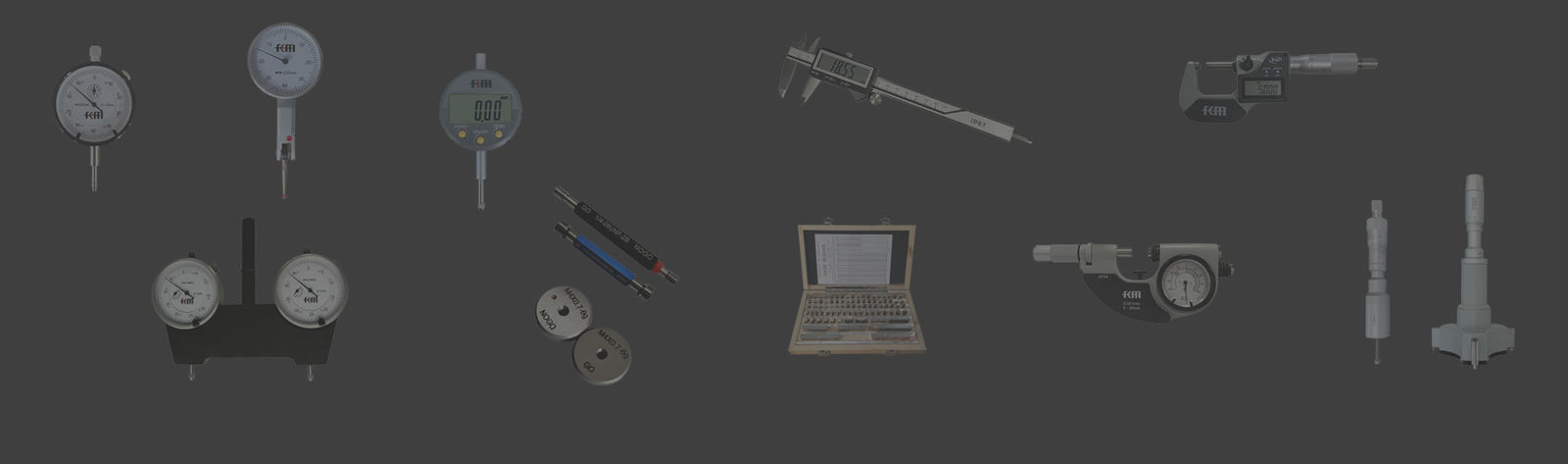
2. डिजिटल कैलिपर्स जैसे सटीक मापने वाले उपकरणों में 0.01 मिमी की सटीकता होती है, माइक्रोमीटर में
0.001 मिमी की सटीकता होती है, डायल इंडिकेटर में 0.001 मिमी की सटीकता होती है, और तीन-समन्वय मापने वाली मशीनों में सटीकता
0.0005 मिमी तक होती है।
3. इलेक्ट्रॉनिक उत्पादों के लिए, पीसीबी बोर्ड छेद व्यास की माप सटीकता को ±0.025 मिमी की आवश्यकता होती है, और
मोबाइल फोन के खोल का संयोजन अंतर 0.1-0.2 मिमी के भीतर नियंत्रित होता है। लेंस लेंस जैसे ऑप्टिकल घटकों के लिए,
मोटाई सहिष्णुता ±0.01 मिमी है, और वक्रता त्रिज्या सटीकता 0.1% है। आयाम माप की सटीकता
सीधे प्रभावित करती है भागों के संयोजन प्रदर्शन को, और सहिष्णुता श्रृंखला का संचय उत्पाद
कार्यात्मक विफलता का कारण बन सकता है।

आकार और स्थिति सटीकता माप उत्पाद के कार्यात्मक प्रदर्शन को सुनिश्चित करता है।
समतलता माप सीलिंग सतह की गुणवत्ता को नियंत्रित करता है, जिसकी सटीकता आवश्यकता 0.005 - 0.05 मिमी है;
गोलाई माप असर रेसवे की सटीकता की गारंटी देता है, जिसके लिए सटीकता की आवश्यकता होती है 0.0005 - 0.002 मिमी;
अक्षीयता माप ट्रांसमिशन शाफ्ट प्रणाली के सुचारू संचालन को सुनिश्चित करता है, जिसकी सटीकता 0.01 - 0.1 मिमी है;
लंबवतता माप असेंबली संदर्भ की सटीकता सुनिश्चित करता है, जिसकी आवश्यकता 0.02 - 0.2 मिमी है।
गियर दांत प्रोफाइल विचलन माप में ±0.005 मिमी की सटीकता होती है, जो ट्रांसमिशन
शोर और दक्षता को प्रभावित करता है।
थ्रेड माइनर व्यास माप में ±0.002 मिमी की सटीकता होती है, जो थ्रेडेड कनेक्शन की ताकत को निर्धारित करता है।
आकार और स्थिति सहिष्णुता में विचलन ढीले फिट, बढ़े हुए कंपन, और त्वरित
घिसाव जैसी समस्याएं पैदा कर सकता है, जो उत्पाद की विश्वसनीयता को गंभीर रूप से प्रभावित करता है। सतह की गुणवत्ता निरीक्षण उत्पाद की उपस्थिति और प्रदर्शन के लिए महत्वपूर्ण है।सतह खुरदरापन का माप रेंज Ra0.005 से 80 μm तक है। विमान इंजन ब्लेड के लिए, Ra मान
0.1 - 0.4 μm है; कार सिलेंडर लाइनर की आंतरिक दीवारों के लिए, यह 0.1 - 0.8 μm है; सटीक ऑप्टिकल घटकों के लिए, यह
0.005-0.05μm है।
सतह दोष का पता लगाने में दरारें, छिद्र, खरोंच और अवसाद शामिल हैं, जिसमें पता लगाने की सटीकता
माइक्रोमीटर स्तर पर है।
कोटिंग मोटाई की माप सटीकता ±1 μm है, जो एंटी-संक्षारण प्रदर्शन और उपस्थिति गुणवत्ता को प्रभावित करती है।
सतह गुणवत्ता नियंत्रण सटीक माप के माध्यम से प्राप्त किया जाता है, जो सीधे उत्पाद जीवनकाल और उपयोगकर्ता संतुष्टि से संबंधित है।
लेजर इंटरफेरोमेट्री और व्हाइट लाइट 500% से 1500% तक होती है। जैसी उन्नत तकनीकें नैनोमीटर
-स्तर की सतह टोपोग्राफी का पता लगाने में सक्षम हैं।II. उत्पादन क्षमता में सुधार के लिए तकनीकी सहायता1. ऑनलाइन माप प्रणाली उत्पादन प्रक्रिया की वास्तविक समय निगरानी को सक्षम करती है।
ऑन-मशीन
ऑनलाइन माप जांच की सटीकता ±0.001 मिमी है, और माप का समय 2-10 सेकंड है। यह स्वचालित रूप से प्रसंस्करण त्रुटियों की भरपाई करता है, जिससे प्रसंस्करण सटीकता 50%-80% बढ़ जाती है। स्वचालित
उत्पादन लाइन की एकीकृत माप प्रणाली उत्पादन चक्र के साथ पता लगाने के चक्र को सिंक्रनाइज़ करती है, और माप दक्षता
3-5 गुना बढ़ जाती है। लेजर माप प्रणाली गैर-संपर्क पता लगाने का प्रदर्शन करती है, जो नरम
सामग्री और उच्च तापमान वाले वर्कपीस के लिए उपयुक्त है। माप सटीकता ±0.01 मिमी है, और पता लगाने की गति प्रति सेकंड कई
हजार बिंदु है। वास्तविक समय माप प्रतिक्रिया बंद-लूप नियंत्रण को सक्षम करती है, जिससे स्क्रैप दर
60%-90% तक कम हो जाती है और उपकरण उपयोग में 15%-25% की वृद्धि होती है।2. स्वचालित माप उपकरण श्रम लागत को कम करता है।
तीन-समन्वय मापने वाली मशीन एक स्वचालित हेड-चेंजिंग सिस्टम से सुसज्जित है, जो 8 से 24 घंटे तक मानव हस्तक्षेप के बिना संचालित हो सकता है।
माप दक्षता मैनुअल माप की तुलना में 3 से 8 गुना है। विजुअल माप प्रणाली छवि
पहचान तकनीक का उपयोग करती है प्रति मिनट सैकड़ों टुकड़ों का पता लगाने के लिए ±0.005 मिमी की सटीकता के साथ, जो
बड़े पैमाने पर उत्पादन के लिए उपयुक्त है। लेजर स्कैनिंग माप उपकरण जटिल सतहों का पता लगाने को पूरा करने के लिए लाखों माप बिंदु प्राप्त करता है,
माप समय को 80% से 95% तक कम करता है। स्वचालन माप मानव
त्रुटियों को कम करता है, माप में सुधार करता है संगति, और पता लगाने की लागत को कम करता है
30% से 50% तक। रोबोट एकीकृत माप प्रणाली लचीला
निरीक्षण को सक्षम करती है और बहु-विविधता और छोटे-बैच उत्पादन के लिए उपयुक्त है।
3. उत्पादन प्रक्रिया मापदंडों को अनुकूलित करने के लिए डेटा का विश्लेषण करें। SPC सांख्यिकीय प्रक्रिया नियंत्रण माप एकत्र करता है डेटा,
प्रक्रिया क्षमता सूचकांक Cp और Cpk का विश्लेषण करता है, और प्रक्रिया सुधार का मार्गदर्शन करता है। माप डेटा वास्तविक समय में MES सिस्टम पर अपलोड किया जाता है, एक गुणवत्ता उत्पाद संग्रह स्थापित करता है और गुणवत्ता का पता लगाने में सक्षम बनाता है। बड़ा डेटा विश्लेषण गुणवत्ता प्रवृत्तियों की पहचान करता है, उपकरण रखरखाव आवश्यकताओं की भविष्यवाणी करता है, और विफलता दर को
20%-40% तक कम करता है।
माप डेटा का मूल्य कृत्रिम बुद्धिमत्ता एल्गोरिदम के माध्यम से निकाला जाता है, प्रसंस्करण मापदंडों को अनुकूलित करता है
और उत्पाद योग्यता दरों को 5%-15% तक बढ़ाता है। क्लाउड माप डेटा
सेवाएं s
जैसे
बेंचमार्क तुलना, अनिश्चितता मूल्यांकन और अंशांकन अनुस्मारक प्रदान करती हैं।आधुनिक औद्योगिक उत्पादन में सटीक माप का महत्व तेजी से बढ़ रहा है और यह एक उद्यम की मूल प्रतिस्पर्धात्मकता का एक महत्वपूर्ण घटक बन गया है। उत्पाद गुणवत्ता आश्वासन की मूलभूत
आवश्यकता से शुरू होकर, सटीक माप यह सुनिश्चित करता है कि उत्पाद के आयाम, आकार और स्थिति सटीकता, और सतह की गुणवत्ता डिजाइन आवश्यकताओं को पूरा करती है, जो सीधे उत्पाद की कार्यक्षमता, प्रदर्शन, और उपयोगकर्ता संतुष्टि को प्रभावित करती है। उत्पादन क्षमता सुधार के संदर्भ में, ऑनलाइन माप प्रणाली, स्वचालित
माप उपकरण, और डेटा विश्लेषण अनुकूलन उत्पादन क्षमता को महत्वपूर्ण रूप से बढ़ाते हैं और श्रम लागत को कम करते हैं। लागत नियंत्रण
और आर्थिक दक्षता अनुकूलन अपशिष्ट दर
नियंत्रण, उपकरण
उपयोग में सुधार, और ग्राहक संतुष्टि वृद्धि जैसे उपायों के माध्यम से प्राप्त किया जाता है, जिसमें निवेश वापसी
दर आमतौर पर
500% से 1500% तक होती है।
तकनीकी नवाचार और औद्योगिक उन्नयन सटीक माप के समर्थन से अलग नहीं हो सकते हैं, और नए उत्पाद विकास, प्रक्रिया सुधार, और बुद्धिमान
विनिर्माण परिवर्तन सभी उच्च-सटीक माप डेटा पर निर्भर करते हैं। सुरक्षा गारंटी और जोखिम प्रबंधन सटीक माप की आवश्यकता होती है
विश्वसनीय आश्वासन प्रदान करने के लिए, विशेष रूप से एयरोस्पेस, ऑटोमोटिव, और चिकित्सा जैसे महत्वपूर्ण क्षेत्रों में।
जैसे-जैसे विनिर्माण उद्योग उच्च-अंत विकास की ओर बढ़ता है, सटीक माप तकनीक भी
लगातार आगे बढ़ रही है, जिसमें नैनोस्केल माप, मल्टी-सेंसर फ्यूजन,
और कृत्रिम खुफिया अनुप्रयोग जैसी नई तकनीकें लगातार सामने आ रही हैं।
उद्यमों को एक सटीक माप स्थापित करना चाहिए प्रणाली उपयुक्त
उनके विकास के चरण के लिए, धीरे-धीरे माप क्षमताओं को बढ़ाएं, और गुणवत्ता और दक्षता में एक दोहरा सुधार प्राप्त करें। भविष्य में, सटीक माप अधिक बुद्धिमान, नेटवर्क वाला,
और मानकीकृत हो जाएगा, और बुद्धिमान विनिर्माण के लिए एक महत्वपूर्ण बुनियादी ढांचा बन जाएगा।